
Australia’s rental market continues to tighten, with the national median rent reaching a record $705 per week. According to Cotality Rental Review Q2 2026, national rents have increased 5.9% over the past year and 40.6% over the past five years, highlighting the ongoing imbalance between housing supply and demand.
While much of the discussion around the Australian property market focuses on interest rates and property prices, the rental market tells a different story. It provides one of the clearest indicators of genuine housing demand and long term market fundamentals.
1. Housing Demand Remains Strong
Higher interest rates have reduced borrowing capacity for many Australians, but they have not reduced the need for housing.
Instead, more potential home buyers are remaining in the rental market for longer, contributing to continued rental growth. The latest data suggests that demand for housing remains resilient despite changing market conditions.
2. Low Housing Supply Continues to Drive Rental Growth
One of the most important indicators in the rental market is the vacancy rate.
Australia’s national vacancy rate currently sits at 1.6%, while Melbourne remains around 1.3%, indicating an ongoing shortage of available rental properties.
Cotality also reports that the number of rental listings across Australia remains 16.7% below the five year average, reinforcing that rising rents are primarily driven by limited housing supply rather than short term pricing decisions.
As population growth continues to outpace new housing supply, rental conditions are expected to remain tight.
3. Property Investment Priorities Are Changing
Today’s investors are looking beyond capital growth alone.
Rental yield, cash flow and vacancy rates are becoming increasingly important when assessing an investment property.
According to Cotality, Melbourne units currently deliver rental yields of around 5.1%, compared with approximately 3.4% for houses. As rental income continues to increase, investment cash flow has improved, making income generating assets more attractive in a higher interest rate environment.
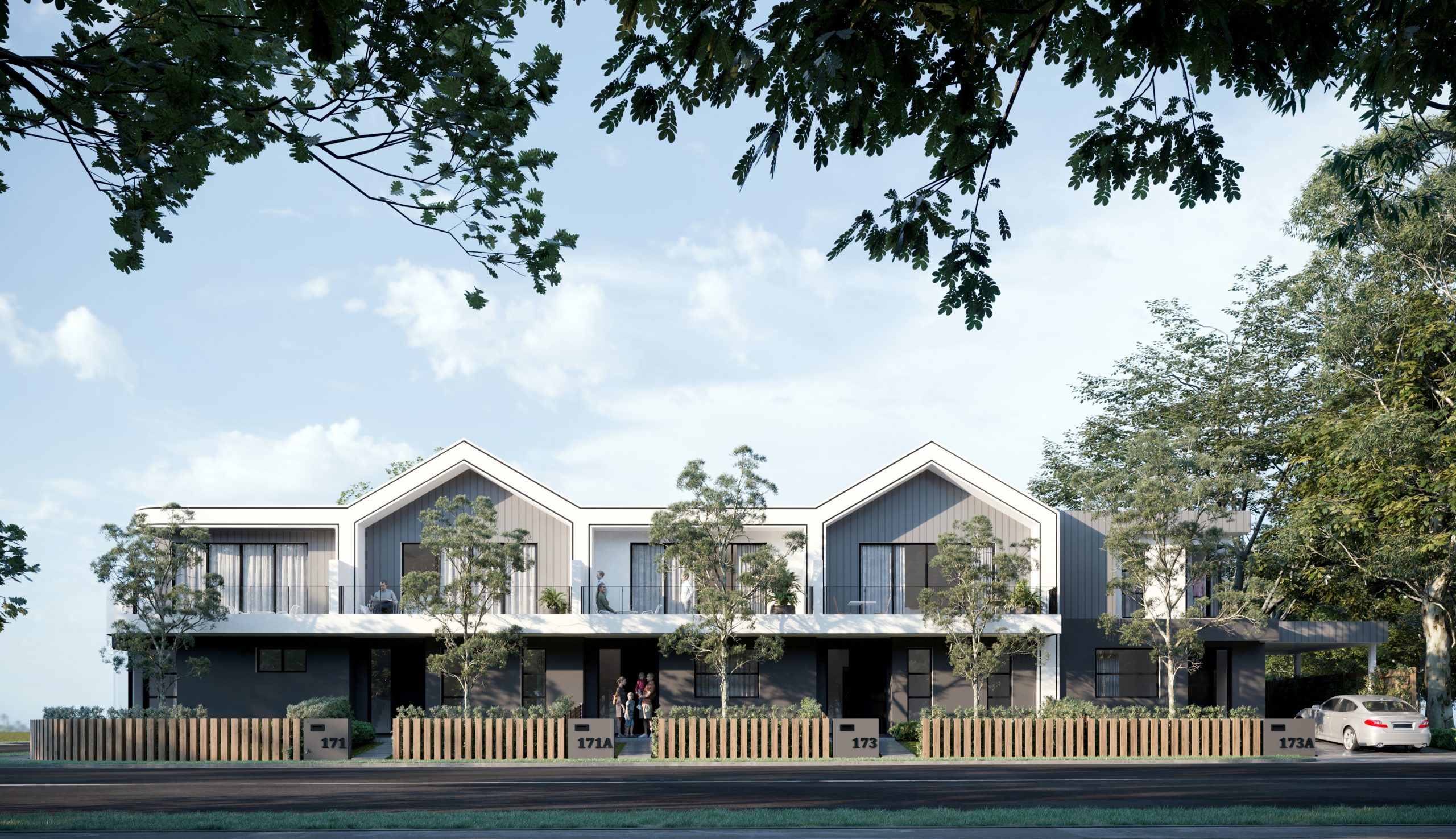
This shift is one reason why many investors are turning their attention to brand new townhouses. Offering more affordable entry prices, strong rental demand and potential depreciation benefits, townhouses continue to appeal to both investors and owner occupiers seeking long term value.
Looking Ahead
Australia’s property market is gradually shifting from a focus on short term capital growth to one centred on affordability, cash flow and genuine housing demand.
While property prices will always fluctuate, the long term performance of the Australian property market will continue to be driven by three key fundamentals:
- Population growth
- Housing supply
- Rental demand
For investors, understanding these fundamentals is becoming just as important as following property prices.
Disclaimer:
The information provided in this article is for general informational purposes only and reflects opinions based on current market data and publicly available sources. It does not constitute financial, legal, or investment advice. Readers should seek independent professional advice tailored to their individual circumstances before making any property or investment decisions.